
Best Ultralight Backpacks help you cut weight without losing comfort or gear protection. If you dread sore shoulders and slow hikes, this tested guide shows top lightweight backpacks and ultralight packs that hold up on real trails. I’ve field-tested gear for years and pick durable, comfy options that save weight and boost confidence. These life-changing packs make every mile feel joyful and free. Read on to find the right pack.
Contents
- Top 7 Ultralight Backpacks:
- 7: 3FULGEAR QiDian Hiking Backpack 56L
- 6: Naturehike 65L Rock Hiking Backpack
- 5: Osprey Eja 38 Women’s Ultralight Backpack
- 4: Granite Gear Crown 3 Backpack 60L
- 3: Mountainsmith Zerk Backpack 40 Liter
- 2: Osprey Exos 58 Men’s Ultralight Backpack
- 1: Osprey Exos Pro 55L Men’s Backpacking Backpack
- Things to Consider Before Buying a Ultralight Backpack:
- Frameless vs. Internal Frame Designs
- Material Choices: Dyneema vs. Robic Nylon
- Benefits of Reduced Base Weight
- Trade-offs in Durability and Comfort
- Volume Requirements and Load Capacity
- Attachment Points and Accessibility
- Measuring Your Torso Length
- Adjusting Straps for Optimal Weight Distribution
- Proper Cleaning and Storage Techniques
- Field Repair Kits for Ultralight Fabrics
- Conclusion
Top 7 Ultralight Backpacks:
7: 3FULGEAR QiDian Hiking Backpack 56L

The top ultralight pack under two pounds—the 3F UL Gear QiDian.Spending a lot of money is common while going ultralight. That portion is skipped by the QiDian.Its empty weight is a mere 1.88 pounds, to begin with. That makes it the list-topping lightest pack, hands down.Next, there is a total capacity of 56 liters, which is comprised of a 40-liter main compartment and 16 liters of external storage.
Last but not least, you’ll have plenty of places to store little items: two pockets on the hip belt, angled side pockets, and trekking pole attachments.One drawback is that the main compartment only has 40 liters of space. Carry only light loads; there is no specified load rating. An unknown company’s product.This lightweight is ideal for summer weekend getaways and first-time buyers. Avoid if you’re carrying hefty loads or seeking a trail-tested suspension system.
6: Naturehike 65L Rock Hiking Backpack
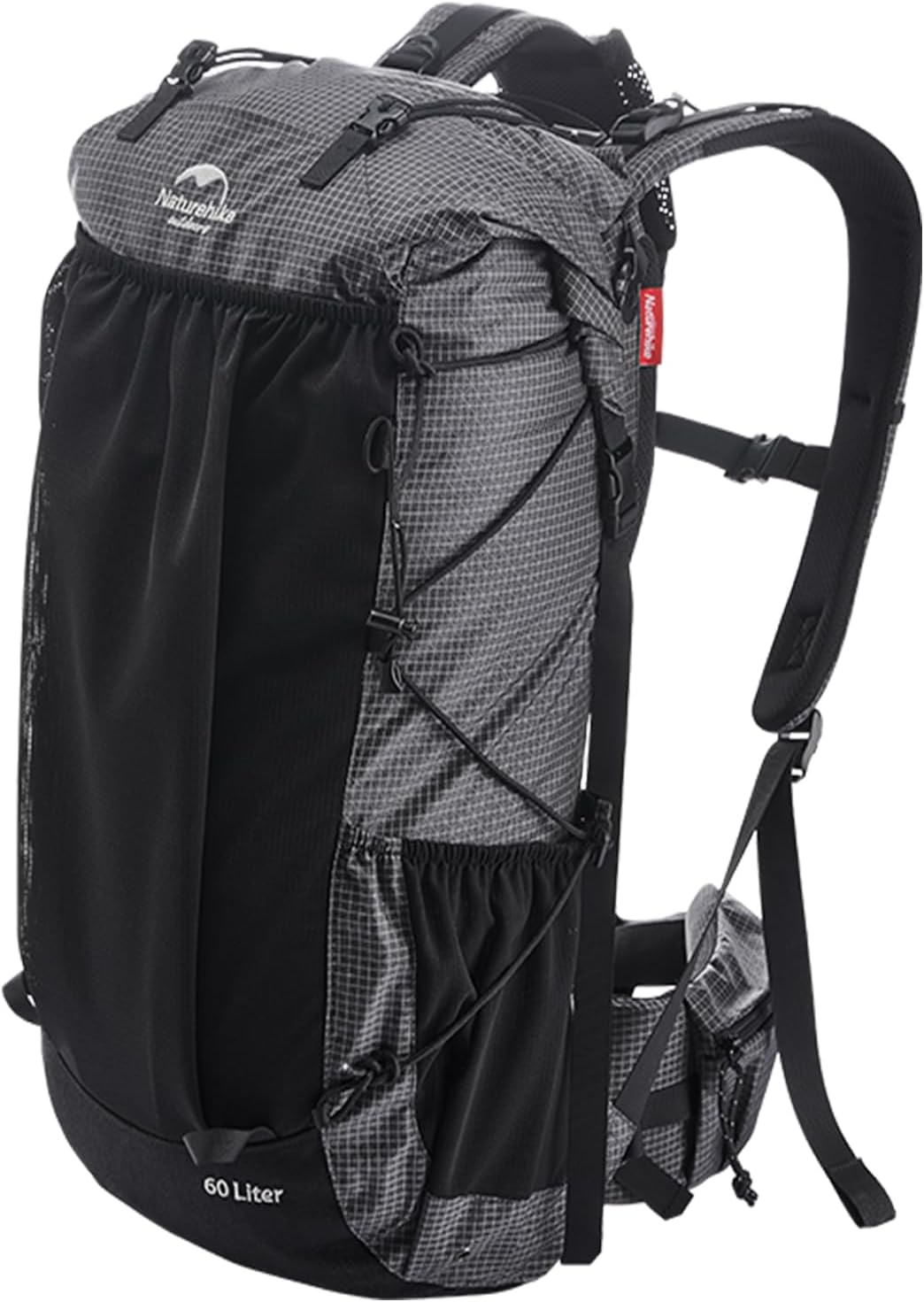
The top budget option for a large capacity backpack is the Naturehike 65L Rock.Layers for winter, a bear canister, and enough food for a week. Not all light packs are the same size, and bulky excursions require more storage.First, a 2.89-pound pack with 60 liters of capacity and a 5-liter expansion.Next up: abrasion-, moisture-, and ultraviolet-resistant fabric woven from high-strength polyethylene fibers.
Last but not least: a mesh back panel for ventilation, hydration compatibility, and a rain cover are all part of the package.Downside: this pack is the heaviest one here. The specified weight restriction of 30.9 pounds applies only to cumbersome, not heavy, equipment.Ideal for: longer treks, budget-conscious hikers with hefty gear. No gram counters or loads heavier than 30 pounds should use this.
5: Osprey Eja 38 Women’s Ultralight Backpack

The pinnacle of ultralight packs designed with women in mind—the Osprey Eja 38.One body type is often used to construct most ultralight packs. The Eja is a woman-centric design from the ground up.To start, there’s the 4-inch torso adjustment AirSpeed suspension. The mesh panel allows air to circulate, and a ladder system determines the fit.Floating top removal follows. When you take it off, the integrated flap jacket conceals the entrance, allowing for a more compact design.
At 2.59 pounds, it has an internal hydration sleeve, two compartments for the hipbelt, and is finished.The 38-liter capacity is inadequate for journeys lasting more than two nights. Exclusively for women.Ideal for: women on quick weekend getaways and overnight adventures. Weekend getaways or cumbersome winter coats are not for you.
4: Granite Gear Crown 3 Backpack 60L

When it comes to weight-adjusting packs, nothing beats the Granite Gear Crown 3.Each journey is unique. From one weekend to the next, your needs fluctuate greatly. The third Crown iteration changes.It weighs only 2 pounds when stripped down from its 60-liter capacity and 2.4 pounds when without using the top.After that, the Re-Fit hip belt can be adjusted to fit waist sizes ranging from 26 to 42 inches.
Finally, the detachable cover can be unsnapped, turned inside out, and used as a chest pack to store anything that you need quickly.The undyed fabric has the potential to turn yellow over time. Your back will stay warmer thanks to the molded sheet frame instead of hanging mesh.Optimal for: the do-it-yourself set, as well as hikers whose gear needs to be modular. Hikers seeking optimal ventilation in hot climates should not use this.
3: Mountainsmith Zerk Backpack 40 Liter
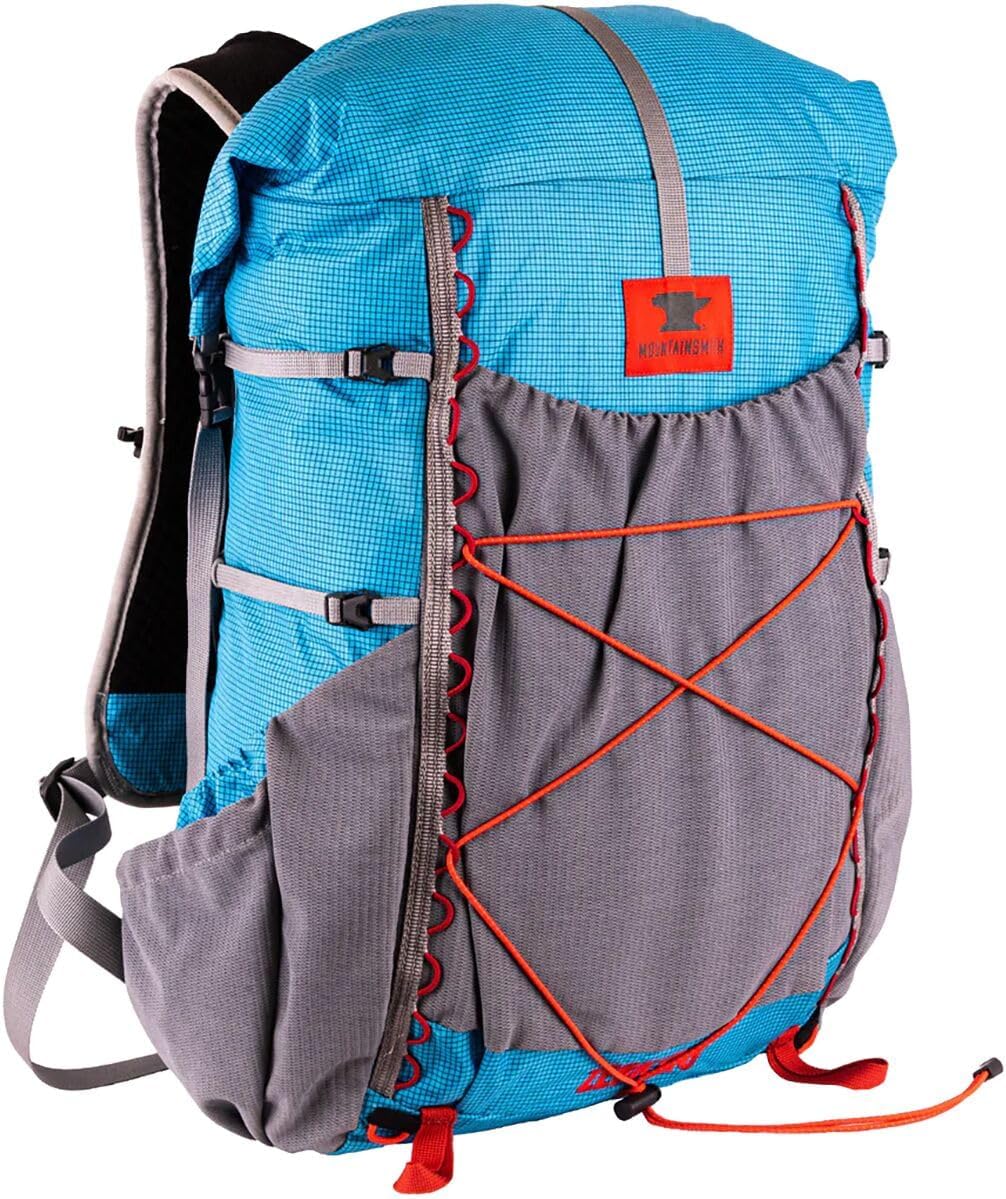
For rapid movement and fastpacking, nothing beats the 40-liter Mountainsmith Zerk.Your stride will be disrupted if you pause to retrieve food or drink. Everything is within reach of the Zerk.First, straps in the style of a running vest. The pack doesn’t droop over your shoulders like a traditional trail running vest, but rather clings to your chest.
Next: 1.9 pounds when empty, with a roll-top lid that tightens to fit less food.And lastly, the angled side pockets make it easy to grab and refill a bottle while you’re on the go.However, a little equipment is required for 40 liters. At 30 pounds or less, it is best to carry. From 16 to 19 inches is the fixed torso range.Highly recommended for: ultralight campers and thru-hikers who have perfected their gear. Avoid if you are a beginner or if you have heavy equipment.
2: Osprey Exos 58 Men’s Ultralight Backpack

For longer journeys with heavier burdens, nothing beats the Osprey Exos 58, an ultralight backpack.A sacrifice is usually required of you when using an ultralight pack. Very little is sacrificed by the Exos 58.Here we go: 58 gallons weighing 2.84 pounds. A week’s worth of food and equipment can be stored here.After that, there’s the AirSpeed suspension, which has a mesh back panel with ventilation and a ladder system that allows for four inches of torso adjustment.
Lastly, there are two hipbelt pockets, a detachable floating top with two zippered compartments, and more.Downside: it’s one of the heftier packets here. The Eja line caters to women who like a more masculine cut.Trips lasting more than a week, or those who are upgrading from a hefty traditional pack, are ideal for this option. Disliked by: those who seek the smallest possible number.
1: Osprey Exos Pro 55L Men’s Backpacking Backpack

If you’re a serious hiker looking for a lightweight backpack, go no further than the Osprey Exos Pro 55L.Tradeoffs have always been a part of ultralight. Flat against a perspiring back, the lightest packs lie. There is no option for the Exos Pro.To start, 55 gallons will cost you 2.08 pounds. Compared to the Exos 58, it’s almost a pound lighter.My second choice is the AirSpeed suspension. You can keep air moving because a tensioned mesh panel takes the strain off your back. That combination is not found in any of the other packs on our list.
Third, an additional 2.6 ounces can be shed by removing the lid. When turned off, the built-in flap jacket conceals the aperture.Fourth, for layers that don’t fit inside, there’s a spacious front compression pocket with stretchy side panels.Downside: it’s the most expensive option here. Fitted for males; the Eja Pro is the women’s equivalent. Not designed to handle big loads; a heavy kit will be too much for it.Who it’s most suited for: light-packing thru-hikers and long-distance wilderness travelers. Those on a low budget or who carry a lot of weighty items should not use it.
Things to Consider Before Buying a Ultralight Backpack:
Opting for an ultralight backpack can transform your outdoor experiences, making adventures more enjoyable and less burdensome. Evaluating key factors-such as weight, materials, and intended use-ensures you choose a pack that meets your specific needs while enhancing your journey. Understand the essentials before making this significant investment.
Frameless vs. Internal Frame Designs
Choosing between frameless and internal frame designs significantly impacts comfort and load distribution. Frameless packs excel in minimalism and lightness, often appealing to fast-paced hikers. In contrast, internal frame backpacks provide better weight support and stability, making them suitable for longer treks with heavier loads. Understanding these differences helps you align your pack choice with the demands of your journey, ensuring an optimal hiking experience.
Material Choices: Dyneema vs. Robic Nylon
Choosing between Dyneema and Robic Nylon can influence both durability and weight. Dyneema is known for its incredible strength-to-weight ratio, providing exceptional tear resistance while maintaining a lightweight profile. Robic Nylon, while slightly heavier, offers excellent abrasion resistance and is often more cost-effective. Evaluating your priorities will clarify which material suits your hiking style, whether strength or budget is more important for your adventures.
Benefits of Reduced Base Weight
Reduced base weight can significantly enhance your hiking experience by allowing for more agility and stamina. When carrying less weight, movement becomes easier, thereby enabling you to cover greater distances in less time. This advantage proves particularly beneficial on longer treks where fatigue can linger by the end of the day. Hydration packs can take on additional supplies, making each journey more enjoyable and less burdensome. Ultimately, lighter packs facilitate greater freedom during exploration.
Trade-offs in Durability and Comfort
Focusing on weight reduction often leads to compromises in durability and comfort. Ultralight materials are generally less robust than their traditional counterparts, which may affect their longevity in rugged conditions. Comfort can also diminish; many ultralight designs prioritize weight over supportive features. As a result, you might find yourself adjusting to less cushioned straps or thinner fabrics that provide minimal protection. These trade-offs require careful consideration, particularly if your adventures frequently traverse challenging terrains.
Volume Requirements and Load Capacity
Selecting the appropriate volume and load capacity is essential for fulfilling your hiking or camping needs. A typical ultralight backpack can vary in capacity from around 40 liters for shorter trips to over 60 liters for extended excursions. Understanding your gear list, including essentials like sleeping bags and cooking equipment, aids in determining the right size. Overloading a pack can lead to discomfort and inadequate support, so matching the backpack’s capacity to your load is paramount.
Attachment Points and Accessibility
Effective attachment points enhance the practicality of your ultralight backpack. These points allow for secure carrying of items such as trekking poles, water bottles, or additional gear. Look for strategically placed loops, straps, and daisy chains that facilitate quick access to frequently used items. A well-designed pack will enable you to easily reach essential gear without having to dig through your entire load, streamlining your outdoor experience.
Measuring Your Torso Length
Start by determining your torso length, which plays a significant role in achieving a comfortable fit. To do this, find the bony protrusion at the base of your neck and measure down to the top of your hips. This measurement helps identify the appropriate backpack size, as different models may offer varying torso lengths. For example, a standard measurement might fall within a range of 15 to 22 inches, allowing you to select the perfect pack for your body type.
Adjusting Straps for Optimal Weight Distribution
After measuring, focus on adjusting the shoulder straps, hip belt, and load lifters for an even distribution of weight. Adjust so that the pack sits snugly against your back and the hip belt takes on most of the weight, freeing up your shoulders. A properly fitted hip belt reduces strain and allows more agility on the trail. For instance, having the load lifters angled at about 45 degrees provides stability, while too much slack can lead to discomfort during long hikes.
Proper Cleaning and Storage Techniques
Maintaining the longevity of your ultralight backpack starts with proper cleaning. Gently wash the fabric using mild soap and cold water, avoiding harsh detergents that can degrade materials. After cleaning, air-dry your backpack completely before storing it to prevent mold and mildew. When not in use, store the pack in a cool, dry place, ideally in a large cotton bag, which allows breathability without crushing the bag’s structure.
Field Repair Kits for Ultralight Fabrics
The unforeseen damage to your ultralight backpack can disrupt your outdoor adventure. Equipping yourself with a field repair kit tailored for ultralight fabrics can save the day. Include items like repair tape, scissors, and a small sewing kit. Having these essentials on hand allows you to quickly address rips or tears, ensuring your gear remains functional while out in the wilderness. This preparedness transforms a minor setback into a manageable issue.
Conclusion
Thorough consideration of your specific hiking needs will lead to a well-informed ultralight backpack purchase. Assess factors such as comfort, weight distribution, and durability to ensure it aligns with your adventure plans. Think about your gear organization and how frequently you’ll be accessing items while on the trail. Prioritize brands known for quality and customer feedback to choose a reliable option. A thoughtful approach to these elements will enhance your outdoor experience and contribute to memorable hikes.
Leave a Reply